

| Warning light color: Red | Urgent - stop or address immediately |
| Warning light color: Amber/Yellow | Attention needed soon, monitor closely |
| Warning light color: Green/Blue | Informational - system is active, not a fault |
| OBD-II standard adopted | Required on all US vehicles sold from 1996 onward (U.S. Environmental Protection Agency) |
| Most common CEL trigger | Oxygen sensor or loose fuel cap (General industry diagnostic data) |
| Fault codes after CEL clears | Stored in vehicle computer even after light goes off |
How Dashboard Warning Lights Work
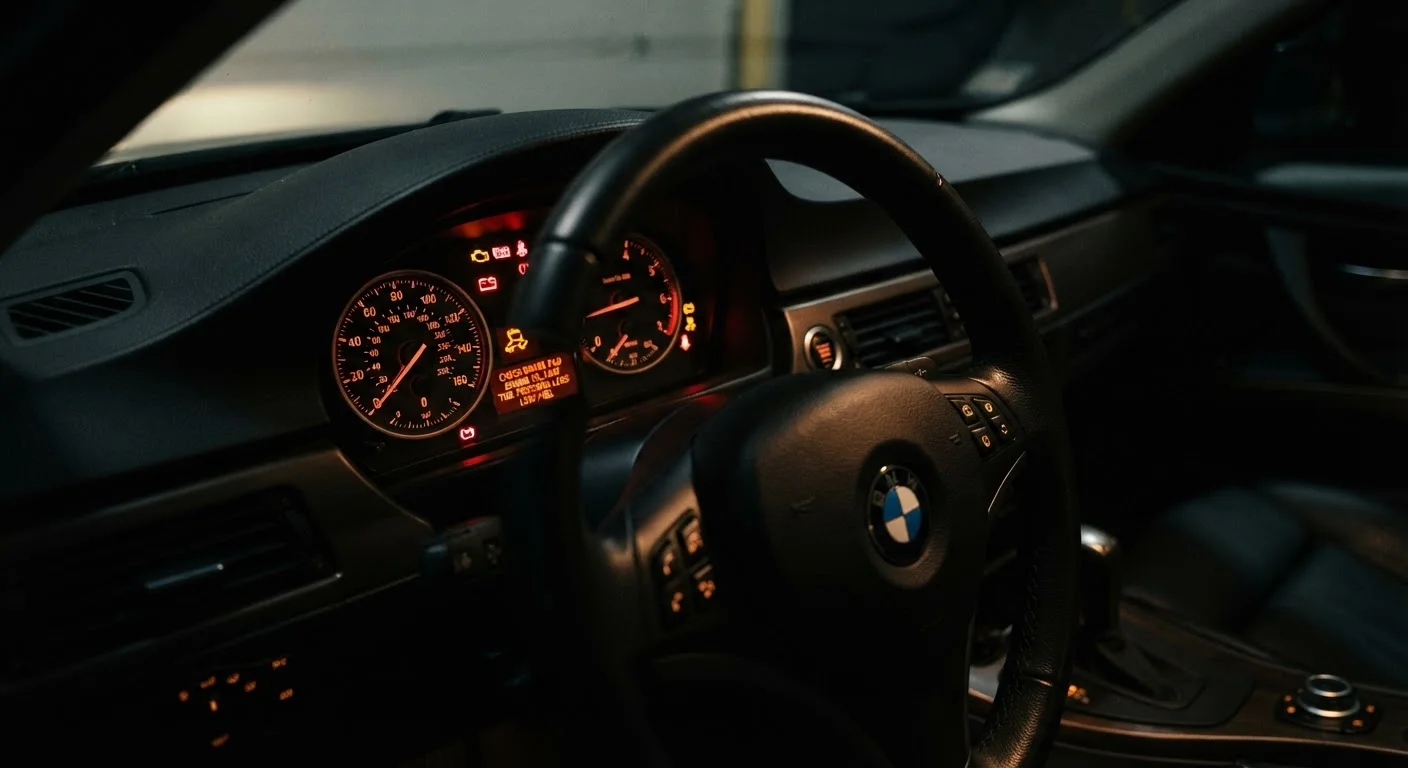
Modern vehicles are equipped with an onboard diagnostic system (OBD) that continuously monitors dozens of sensors throughout the engine, drivetrain, and safety systems. When a sensor detects a reading outside its expected range, it sends a signal to the vehicle's electronic control module, which triggers the corresponding warning light on your instrument cluster.
Warning lights follow a general color hierarchy: red signals an urgent, potentially dangerous condition requiring immediate attention; amber or yellow indicates a condition that needs attention soon but may not require stopping immediately; green or blue lights are informational, confirming that a system is active rather than warning of a problem.
Ignoring a light - especially a red one - can allow a manageable issue to escalate into serious mechanical damage or a safety hazard. Understanding what each light represents puts you in a much stronger position before you speak with a mechanic. If you're ever unsure whether a repair recommendation is genuinely warranted, our guide on recognizing upsell tactics can help you ask the right questions.
| Warning light color: Red | Urgent - stop or address immediately |
| Warning light color: Amber/Yellow | Attention needed soon, monitor closely |
| Warning light color: Green/Blue | Informational - system is active, not a fault |
| OBD-II standard adopted | Required on all US vehicles sold from 1996 onward (U.S. Environmental Protection Agency) |
| Most common CEL trigger | Oxygen sensor or loose fuel cap (General industry diagnostic data) |
| Fault codes after CEL clears | Stored in vehicle computer even after light goes off |
The Most Common Warning Lights Decoded
The lights below appear across a wide range of makes and models. Always consult your owner's manual for the exact symbol your vehicle uses, as icon design can vary slightly by manufacturer.
Check Engine Light (CEL)
An amber light shaped like an engine outline that activates when the OBD system detects a fault in the engine, emissions, or related systems. It can signal anything from a loose gas cap to a misfiring cylinder, so a diagnostic scan is always the right first step.
TPMS (Tire Pressure Monitoring System)
A system that monitors air pressure in each tire and illuminates a warning - typically an exclamation mark inside a tire cross-section - when pressure drops significantly below the recommended level. Driving on underinflated tires affects handling, fuel economy, and tire longevity.
Oil Pressure Warning
A red oil-can symbol indicating that engine oil pressure has dropped below a safe operating threshold. This is a stop-immediately light - low oil pressure starves engine components of lubrication and can cause catastrophic damage within minutes.
ABS Warning Light
Indicates a fault in the anti-lock braking system, which prevents wheel lockup during hard stops. Standard braking usually still works, but the ABS function that helps maintain steering control during emergency stops may be disabled.
Battery / Charging System Light
A red battery symbol that signals the vehicle's charging system - typically the alternator - is not supplying adequate power. The car may continue running on battery reserve for a limited time before systems begin to fail.
Engine Temperature Warning
A red thermometer symbol indicating the engine coolant temperature has exceeded safe limits. Pull over safely and allow the engine to cool before investigating; opening a hot radiator cap is dangerous and should be avoided.
Brake System Warning
An exclamation mark inside a circle (sometimes labeled BRAKE) that can indicate low brake fluid, a hydraulic fault, or that the parking brake is engaged. Always verify the parking brake is released first; if the light persists, have brakes inspected promptly.
EVAP System / Fuel Cap Light
Signals a leak in the evaporative emission control system, which captures fuel vapors. A loose or damaged fuel cap is the most common cause and is worth checking before scheduling a diagnostic appointment.
For lights tied to brake system concerns - including the brake warning and ABS lights - understanding underlying symptoms helps. Our article on what brake noises actually mean is a practical companion read. Similarly, if your battery light appears, explore signs your car battery is nearing the end of its life before assuming the worst.
When to Stop Immediately vs. When You Can Wait
Not every warning light demands that you pull over right now - but some absolutely do. Use this general framework:
- Stop immediately and turn off the engine: Oil pressure warning (red), engine temperature warning (red), or any red light accompanied by unusual sounds, burning smells, or loss of vehicle control. Continuing to drive with critically low oil pressure or an overheating engine can cause irreversible engine damage within minutes.
- Drive cautiously to a safe destination: Battery/charging system light, brake system warning (when brakes still feel normal), or TPMS light after a gradual pressure loss. Schedule a shop visit the same day if possible.
- Schedule service within a week or two: Check engine light (amber, no rough running), service due reminder, or EVAP system indicator. These often reflect emissions or minor sensor issues that aren't immediately dangerous but shouldn't be deferred indefinitely.
Staying on top of these situations connects directly to your broader vehicle maintenance schedule. Many warning lights appear precisely because a scheduled service interval was missed.
Your Owner's Manual Is the Definitive Reference
Warning light symbols and their precise meanings vary by manufacturer and model year. The guidance in this article reflects common industry conventions, but your vehicle's owner's manual is the authoritative source for your specific car. Keep a copy in the glove compartment, or download a digital version from your manufacturer's website. When in doubt, a qualified mechanic with a diagnostic scanner is always the right next step.
After the Light Goes Off: Next Steps
A warning light that disappears on its own doesn't always mean the problem is resolved. Intermittent lights - particularly the check engine light - often indicate a condition that comes and goes, and the stored fault code remains in the vehicle's computer even after the light clears. Any shop with an OBD-II scanner can retrieve these codes, and many auto parts retailers offer this scan at no charge.
Once you have a fault code, research it using your owner's manual or a reputable automotive reference before your shop visit. This context helps you evaluate the diagnosis you receive. For a broader understanding of how scheduled services prevent these situations from arising in the first place, see what your owner's manual is actually telling you about routine maintenance intervals.
Safe, confident driving depends on more than reacting to problems - it also means staying aware on the road. The Driving & Safety hub covers the habits and knowledge that keep drivers prepared for a range of situations.