

Key Takeaways
- Vets evaluate 10+ body systems during a routine exam, even when pets show no obvious symptoms.
- Early detection of conditions like organ disease, dental disease, and obesity improves treatment outcomes.
- Vaccine needs, parasite prevention, and bloodwork are reviewed and updated at annual visits.
- Preparing specific questions before your appointment helps you get the most from the visit.
- Senior pets often benefit from more frequent wellness checks than once a year.
Annual Wellness Exam
An annual wellness exam is a scheduled, head-to-tail physical evaluation performed by a licensed veterinarian on an otherwise healthy pet. It assesses body systems, weight, dental health, and overall condition - even when the animal appears fine. The goal is early detection of developing problems and proactive prevention, not just treatment of illness.
For senior pets (generally dogs over 7 and cats over 10), many veterinarians recommend twice-yearly exams, because animals age faster than humans and lab values can shift significantly within months.
More Than a Vaccine Stop: What the Visit Actually Involves
For many owners, the annual vet visit feels like an obligation tied to vaccine renewals. In reality, the physical examination itself is the core of the appointment - and it covers far more ground than most owners realize.
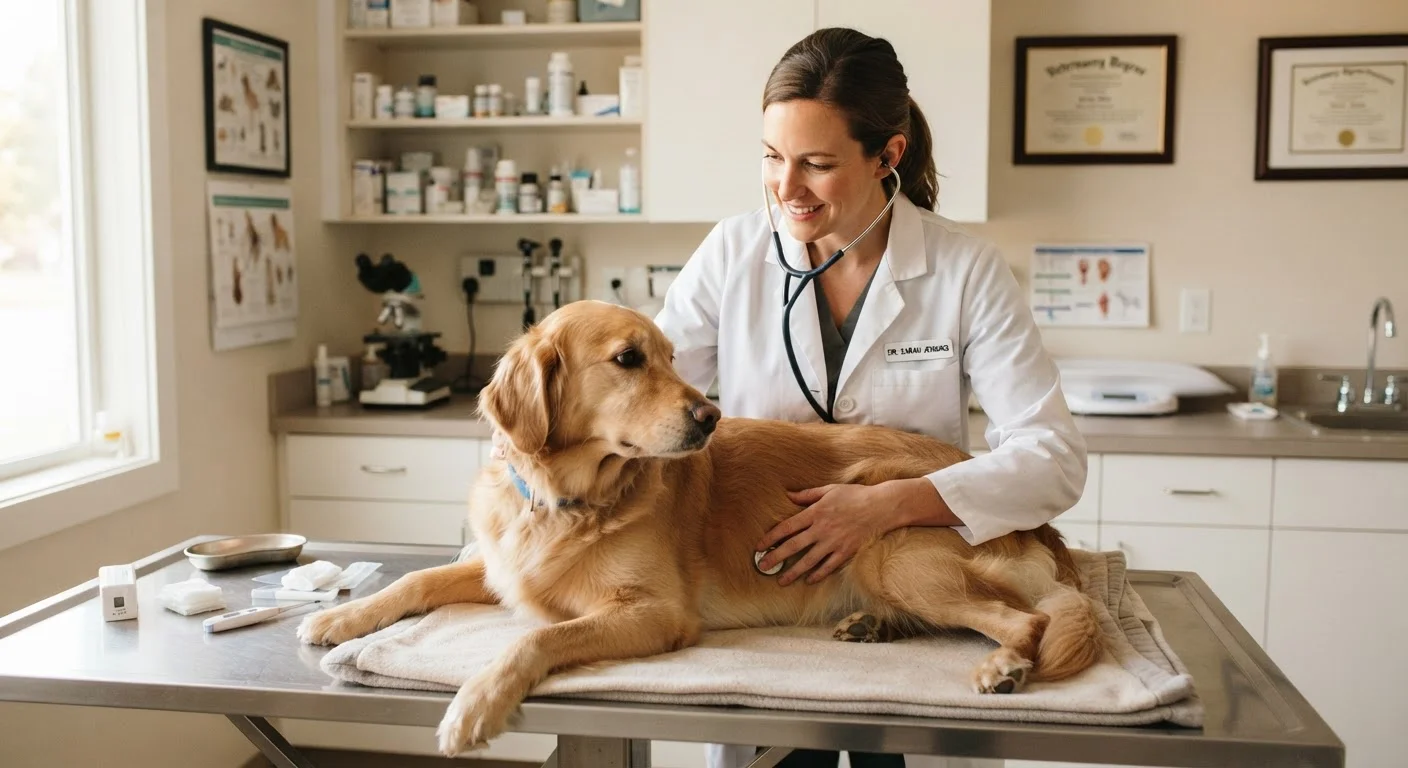
A trained veterinarian works through a systematic head-to-tail assessment. This includes:
- Eyes and ears: Checking for infection, inflammation, discharge, or early signs of conditions like glaucoma or chronic ear disease.
- Mouth and teeth: Evaluating gum color, plaque buildup, tooth integrity, and early periodontal disease - a condition so common it affects the majority of adult pets. See our guide to dental disease in dogs and cats for what owners often miss.
- Lymph nodes: Palpating nodes for abnormal enlargement, which can signal infection or immune system changes.
- Heart and lungs: Listening with a stethoscope for murmurs, arrhythmias, or abnormal breath sounds.
- Abdomen: Feeling organ size and texture to detect enlargements or masses.
- Skin, coat, and nails: Assessing for parasites, lumps, hair loss, or skin condition changes.
- Musculoskeletal system: Observing gait and palpating joints for pain, swelling, or reduced range of motion.
The vet also documents weight and calculates a body condition score (BCS) - a standardized measure of whether a pet is at a healthy weight, underweight, or overweight. Weight trends across years often tell a meaningful story before owners notice a visible change. Our article on pet obesity and body condition scoring explains how this scoring system works in practice.
Photograph Changes Before Your Appointment
If you've noticed an intermittent limp, a skin lump, or unusual behavior, try to capture it on video or photograph it before the visit. Animals often present differently in the clinic than they do at home, and visual documentation gives your vet valuable context that a verbal description alone may not fully convey.
Bloodwork, Vaccines, and Parasite Prevention: The Supporting Cast
Beyond the physical exam, the annual visit is an opportunity to review and update several preventive care layers.
Diagnostic testing: A complete blood count (CBC) and chemistry panel can flag early kidney or liver changes, blood sugar irregularities, and thyroid abnormalities - all before clinical signs appear. Urinalysis adds another layer, particularly for detecting early kidney disease in cats. These tests are especially important for animals entering their senior years.
Vaccines: Not every vaccine is needed annually. Your vet will review what's due based on your pet's prior history, lifestyle, and local disease risk. Core versus non-core vaccine schedules are structured around genuine risk assessment, not a one-size-fits-all calendar.
Parasite prevention: Flea, tick, heartworm, and intestinal parasite risks vary by region and season. The annual visit is a natural checkpoint to confirm your current prevention protocol is appropriate - and to run a heartworm test if one is due. For a full breakdown, see our article on keeping parasite prevention on track year-round.
Senior Pet Visits May Need a Different Schedule
The once-a-year standard applies primarily to healthy adult pets. For dogs generally considered senior at age 7 and cats at age 10, veterinarians commonly recommend semi-annual exams. Age-related conditions such as hyperthyroidism in cats, kidney disease, and arthritis can progress meaningfully within a six-month period, making more frequent monitoring worthwhile.
How to Get the Most Out of Every Appointment
Appointment time is limited - typically 20 to 30 minutes - so coming prepared makes a real difference.
Before you go:
- Write down any behavioral shifts, even subtle ones: changes in energy, drinking, urination, appetite, or sleep patterns.
- Note any lumps, limping, or coat changes you've observed at home.
- Bring a fresh stool sample if intestinal parasites are being checked.
- Compile a list of all supplements or medications your pet currently receives.
Questions worth asking:
- Is my pet's weight trending in a healthy direction?
- Are there breed- or age-specific risks I should be watching for?
- What should I expect at this life stage over the next 12 months?
- Is dental cleaning or any other procedure worth considering this year?
If your pet is new or you're navigating your first year of ownership, our new pet owner's veterinary care roadmap walks through what that first year of appointments typically looks like.
This article is for general informational purposes only and does not constitute veterinary medical advice. Always consult a licensed veterinarian for guidance specific to your pet's health needs.