

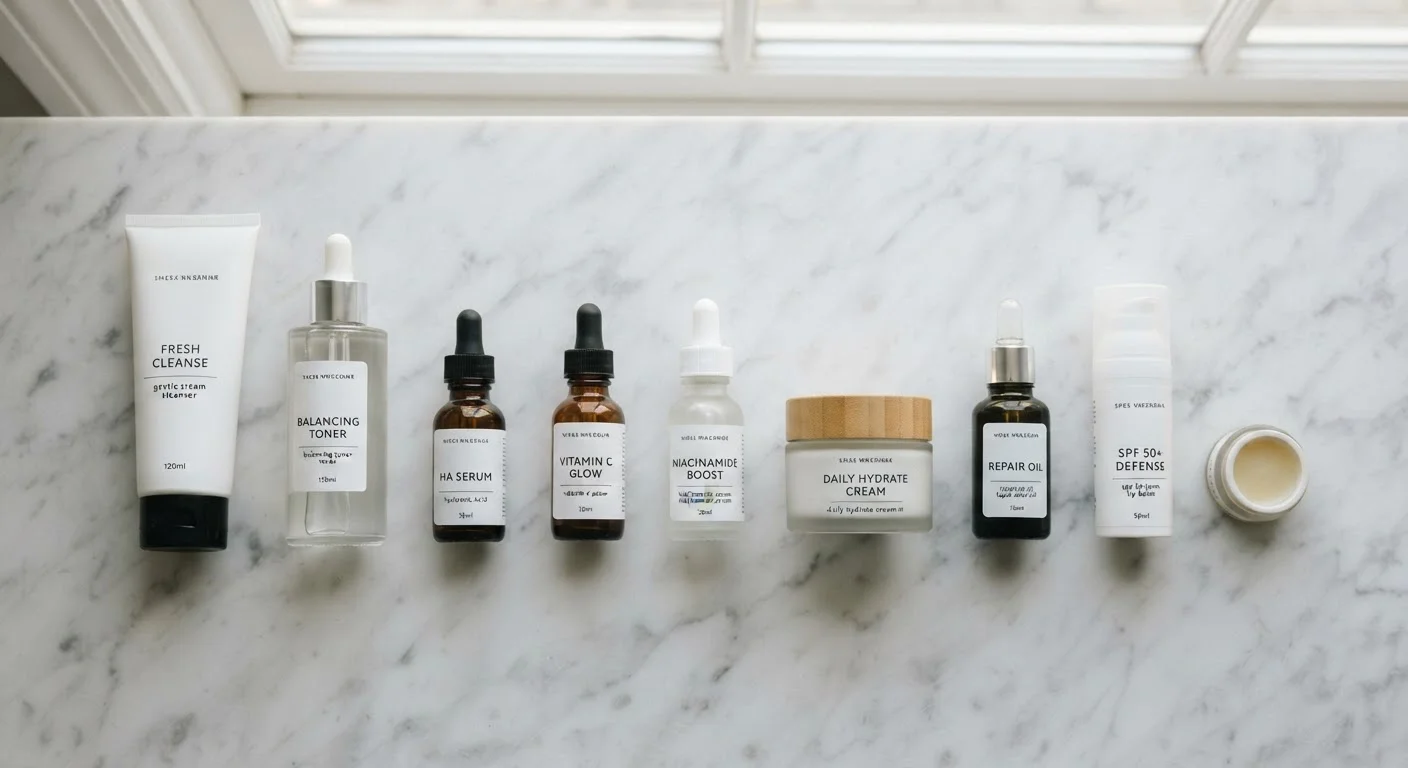
Key Takeaways
- Layering products thickest to thinnest is a reliable default, but molecule size and pH matter more.
- Applying an occlusive moisturizer before a water-based serum can block active ingredients from reaching skin.
- Combining certain actives like retinol and AHAs in the wrong order amplifies irritation risk.
- Waiting 30-60 seconds between layers improves absorption and reduces pilling.
- SPF always goes on last in a morning routine - applying it before moisturizer undermines its UV protection.
Why Order Is a Functional Issue, Not Just a Preference
Skincare layering isn't about ritual - it's about physics and chemistry. Each product has a specific molecular weight, pH range, and formulation vehicle (the base that carries active ingredients). When those factors conflict with the layer beneath, absorption drops, actives destabilize, or the skin barrier gets overwhelmed.
The widely cited rule - apply products from thinnest to thickest - is a useful shorthand, but it's incomplete. A lightweight gel sunscreen, for example, is physically thin but still belongs at the very end of a morning routine. Understanding why the sequence matters makes it easier to adapt to new products rather than memorizing a fixed list. If you're building a routine from scratch, start with the foundational steps before introducing multiple actives.
~60%
Topical absorption influenced by vehicle and layer order
Dermatology research indicates that a product's formulation vehicle and the layers applied before it can significantly alter how much active ingredient penetrates the stratum corneum.
pH 3.5-4.0
Optimal skin pH for vitamin C (L-ascorbic acid) efficacy
Published cosmetic chemistry data shows L-ascorbic acid is most stable and permeable at a low pH; layering it after a higher-pH toner can reduce its effectiveness.
The Most Common Layering Mistakes - And How to Correct Them
Most layering errors fall into a handful of recurring patterns. They're rarely caused by carelessness; they usually reflect gaps in product education or inherited habits from routines assembled piece by piece over time.
Applying a heavy moisturizer or face oil before a water-based serum.
Why it happens: Many people reach for moisturizer instinctively right after cleansing, then add serums on top as an afterthought.
Layering a vitamin C serum directly on top of a high-pH toner without allowing time for adjustment.
Why it happens: Routines are often assembled product by product without considering that ingredients have optimal pH windows that affect both stability and absorption.
Using retinol and an AHA or BHA in the same application layer without buffering.
Why it happens: Both ingredients are often marketed for similar concerns - texture, clarity, tone - so using them together seems logical.
Applying sunscreen before moisturizer in the morning routine.
Why it happens: The logic of "moisturize first for hydration" leads some people to treat SPF as just another skin-prep layer rather than a final protective barrier.
Skipping wait time and immediately stacking products one after another.
Why it happens: Morning routines feel rushed, and the assumption is that products will absorb regardless of timing.
Don't Stack Actives Without a Plan
Retinoids, AHAs, BHAs, and vitamin C are all potent ingredients individually. Applying them in rapid succession - or in the wrong order - increases the likelihood of irritation, redness, and compromised skin barrier function. If you're using multiple actives, consult a dermatologist or review evidence-based guidance on ingredient compatibility before combining them.
For a deeper look at which ingredient combinations introduce the most risk regardless of order, see the guide on ingredient pairs to use carefully. And if you're changing your routine significantly, a systematic transition approach reduces the chance of irritation during the adjustment period.
SPF Placement Is Non-Negotiable
Sunscreen must be the final step in any morning routine, applied directly before you go outside. Layering other products on top of SPF - including setting sprays or facial oils - can physically disrupt the UV filter film and reduce its protective efficacy. This is one of the few layering rules with direct skin-health consequences, not just cosmetic ones.
Reading the Logic Into Your Own Routine
Once you understand the underlying principles - pH compatibility, molecular size, film-forming occlusives last, SPF always final - you can troubleshoot almost any routine without external guidance. If a product is pilling, something beneath it hasn't absorbed. If skin is irritated after introducing a new active, check what it's being layered with and in what order. Decoding ingredient labels gives you another layer of insight into what's actually in each step and how formulations interact.
Routines also differ between morning and evening - not just in which products are used, but in how they're sequenced and why certain ingredients (retinoids, for instance) are reserved for nighttime use. Understanding AM vs. PM structure helps clarify those decisions with evidence-based reasoning rather than product marketing.
This article is for general informational and educational purposes only. For concerns about skin conditions, sensitivities, or reactions, consult a qualified dermatologist or healthcare professional.