

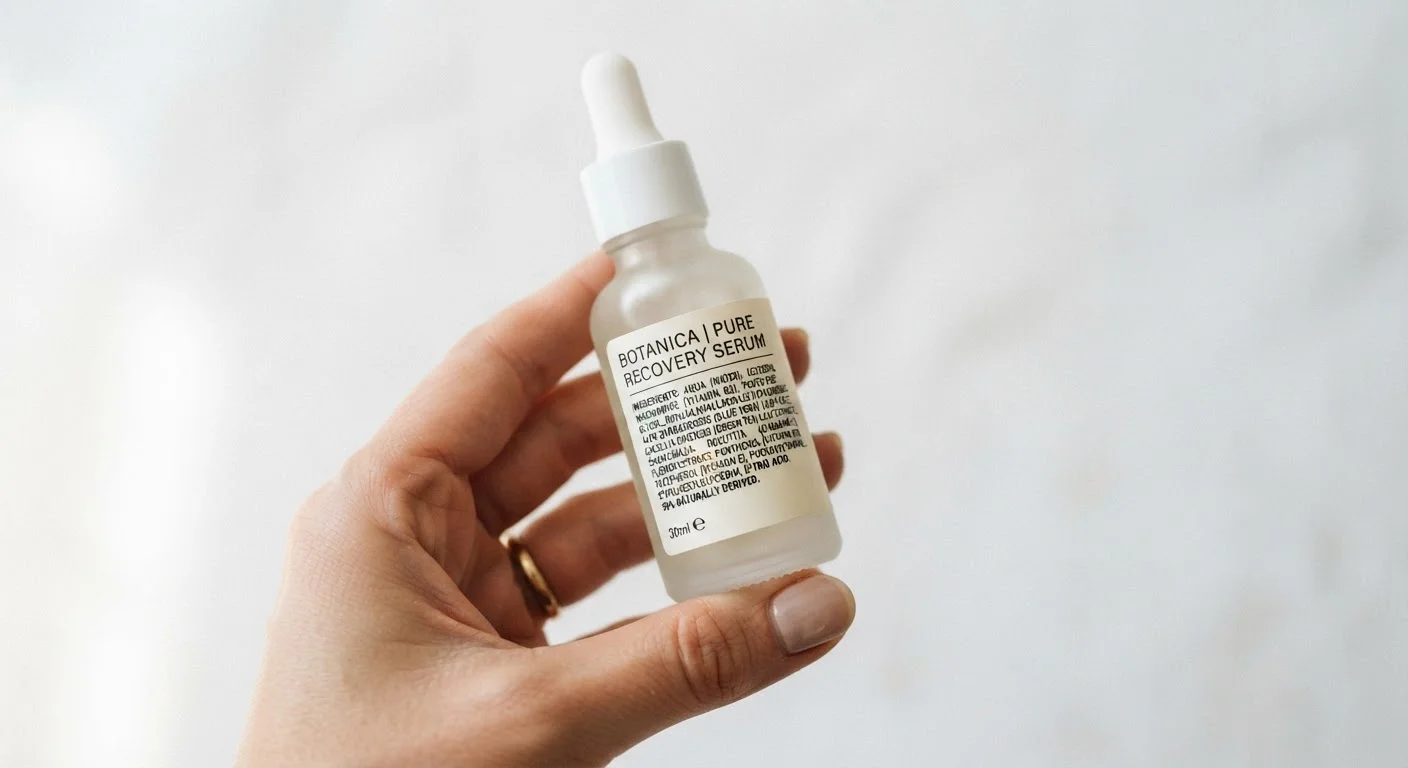
Key Takeaways
- Ingredients are listed in descending order by concentration, with the highest amounts first.
- Anything below 1% concentration can appear in any order the manufacturer chooses.
- INCI names are standardized Latin or chemical terms used globally on skincare labels.
- Preservatives and fragrance typically appear near the bottom, not because they're unimportant.
- Water (aqua) at the top does not mean a product is diluted - it is the most common cosmetic base.
What you will need
The Rules Behind Every Ingredient List
Skincare ingredient lists aren't random - they follow a regulatory framework established in the US by the FDA under the Fair Packaging and Labeling Act. Every leave-on and rinse-off cosmetic sold in the US must declare its ingredients using INCI nomenclature (International Nomenclature of Cosmetic Ingredients), a globally standardized naming system. This is why you'll see Aqua instead of water, or Tocopherol instead of vitamin E.
The core rule: ingredients are listed in descending order by weight. The first ingredient makes up the largest proportion of the formula; the last makes up the smallest. This single fact gives you a reliable concentration map of any product.
There is one important exception. Ingredients present at 1% or less may be listed in any order after those above the 1% threshold. Manufacturers are not required to disclose exactly where that cutoff falls, which means the second half of most ingredient lists can appear shuffled. This is where label-reading requires some context rather than pure sequential logic.
INCI Names Are Your Consistent Reference Point
Because INCI names are standardized internationally, the same ingredient will carry the same INCI name regardless of brand or country of origin. Learning even a handful of common INCI names - aqua, tocopherol, glycerin, retinol - makes cross-product comparisons significantly more reliable.
For a plain-language explanation of specific terms you encounter - from AHAs to ceramides - see the Skincare Ingredient Glossary.
How to Work Through a Label Step by Step
What you will need
Identify the first five ingredients
The opening ingredients typically account for the bulk of a formula - often 80% or more by weight. Note whether the base is water (aqua), an oil, or a silicone. This tells you the product's fundamental texture category and how it will feel and absorb on skin.
Locate key actives and note their position
Active ingredients - such as retinol, vitamin C (ascorbic acid), niacinamide, or hyaluronic acid - should ideally appear in the first half of the list to suggest a meaningful concentration. If a marketed active appears near the very end, it may be present primarily as a label claim rather than at a functionally significant level.
Find the 1% threshold zone
Common ingredients that typically appear around or below the 1% mark include preservatives (phenoxyethanol, parabens), certain peptides, botanical extracts, and colorants. Once you recognize these common low-usage ingredients, you can roughly estimate where the 1% cutoff falls in a given formula.
Check for fragrance and potential sensitizers
Scan for "fragrance," "parfum," or individual fragrance components such as linalool, limonene, or geraniol. These are among the most common causes of contact sensitization in cosmetics. Their position in the list is less important than their presence, particularly for those with sensitive or reactive skin.
Compare the ingredient list to label claims
Marketing claims on packaging ("brightening," "firming," "hydrating") are not regulated in the same way as ingredient disclosures. Return to the ingredient list to verify whether ingredients associated with those claims are actually present - and at what apparent concentration. This step closes the gap between front-of-pack messaging and formulation reality.
Once you've worked through the steps above, cross-referencing the ingredient list with what you know about your skin's needs becomes much more reliable. If you're building a multi-step routine, understanding how individual ingredients interact is equally important - layering products in the wrong order can reduce efficacy or cause irritation.
Common Label Terms and What They Signal
Beyond ingredient names, labels carry terminology that affects how you interpret the list:
- "Fragrance" or "Parfum": A catch-all term that can represent a blend of dozens of undisclosed compounds. Some are sensitizing for reactive skin types.
- "pH adjuster" ingredients (e.g., citric acid, sodium hydroxide): Often listed near the bottom in small amounts used solely to stabilize formula pH, not for active benefit.
- Preservatives (e.g., phenoxyethanol, sodium benzoate): Appear in low concentrations by necessity - effective at under 1%. Their position near the end of a list is expected, not a sign of ineffectiveness.
- Active ingredients on OTC products: Drug products like sunscreens or acne treatments list actives in a separate "Active Ingredients" box, governed by monograph regulations, distinct from the cosmetic ingredient list below.
Understanding sunscreen labels specifically involves an additional layer of regulation. The guide to SPF and broad-spectrum protection covers how the active ingredient panel on sunscreens works alongside concentration claims.
Marketing Terms Are Not Regulated Like Ingredients
Words like "natural," "clean," "non-toxic," and "dermatologist-tested" have no standardized legal definition in the US cosmetics space. They reflect brand positioning, not a regulated compositional standard. Always return to the ingredient list itself as your primary information source.
What the Ingredient List Can and Cannot Tell You
The ingredient list is a compositional snapshot, not a performance guarantee. Concentration matters enormously - a product listing retinol in the top third of its formula will likely behave very differently from one listing it near the bottom. But even knowing an ingredient is present at a meaningful concentration doesn't predict how your skin will respond, since formulation factors (pH, encapsulation, delivery system) also affect efficacy.
The list also cannot tell you the quality of raw materials, the stability of the formula over time, or whether the product has been tested for a specific outcome. For deeper context on how one widely discussed ingredient actually performs within formulas, the evidence-based overview of niacinamide is a useful reference.
Used alongside reliable ingredient references and an understanding of your own skin, the label becomes a genuinely useful tool - not a definitive verdict, but an informed starting point.