

| Most common toxic food for dogs | Xylitol, chocolate, and grapes/raisins top most veterinary poisoning lists (ASPCA Animal Poison Control Center annual reports) |
| Cats vs. dogs: toxicity differences | Cats are especially sensitive to onion/garlic compounds and lack enzymes to metabolize certain human foods (Veterinary toxicology literature) |
| Safe treat frequency guideline | Treats - including safe human foods - should make up no more than 10% of daily caloric intake (General veterinary nutrition consensus) |
| Poison control contact (US) | ASPCA Animal Poison Control Center: (888) 426-4435 (fee may apply) (ASPCA) |
| Grape/raisin toxic threshold | No established safe dose - any amount should be treated as a potential emergency (Veterinary toxicology consensus) |
Why This Question Matters More Than You Think
Most pet owners share the occasional bite of their meal - a piece of chicken here, a slice of apple there. The problem is that pet and human metabolisms differ significantly, and some foods that are completely harmless to people can trigger serious, even fatal, reactions in dogs and cats. This reference is designed as a factual lookup tool to help you make informed decisions, not as a substitute for veterinary guidance.
Keep in mind that portion size, frequency, and your individual pet's health status all affect how a food is tolerated. For a broader view of building sound nutrition habits, see our guide to evaluating nutritionally sound pet food.
| Most common toxic food for dogs | Xylitol, chocolate, and grapes/raisins top most veterinary poisoning lists (ASPCA Animal Poison Control Center annual reports) |
| Cats vs. dogs: toxicity differences | Cats are especially sensitive to onion/garlic compounds and lack enzymes to metabolize certain human foods (Veterinary toxicology literature) |
| Safe treat frequency guideline | Treats - including safe human foods - should make up no more than 10% of daily caloric intake (General veterinary nutrition consensus) |
| Poison control contact (US) | ASPCA Animal Poison Control Center: (888) 426-4435 (fee may apply) (ASPCA) |
| Grape/raisin toxic threshold | No established safe dose - any amount should be treated as a potential emergency (Veterinary toxicology consensus) |
This article is for general informational purposes only and does not constitute veterinary or medical advice. Always consult a licensed veterinarian about your specific pet's dietary needs or if you suspect poisoning.
Foods That Are Generally Safe for Dogs and Cats
The following human foods are broadly considered low-risk when offered plain, unseasoned, and in small quantities. "Safe" does not mean nutritionally necessary - these are occasional supplements at best.
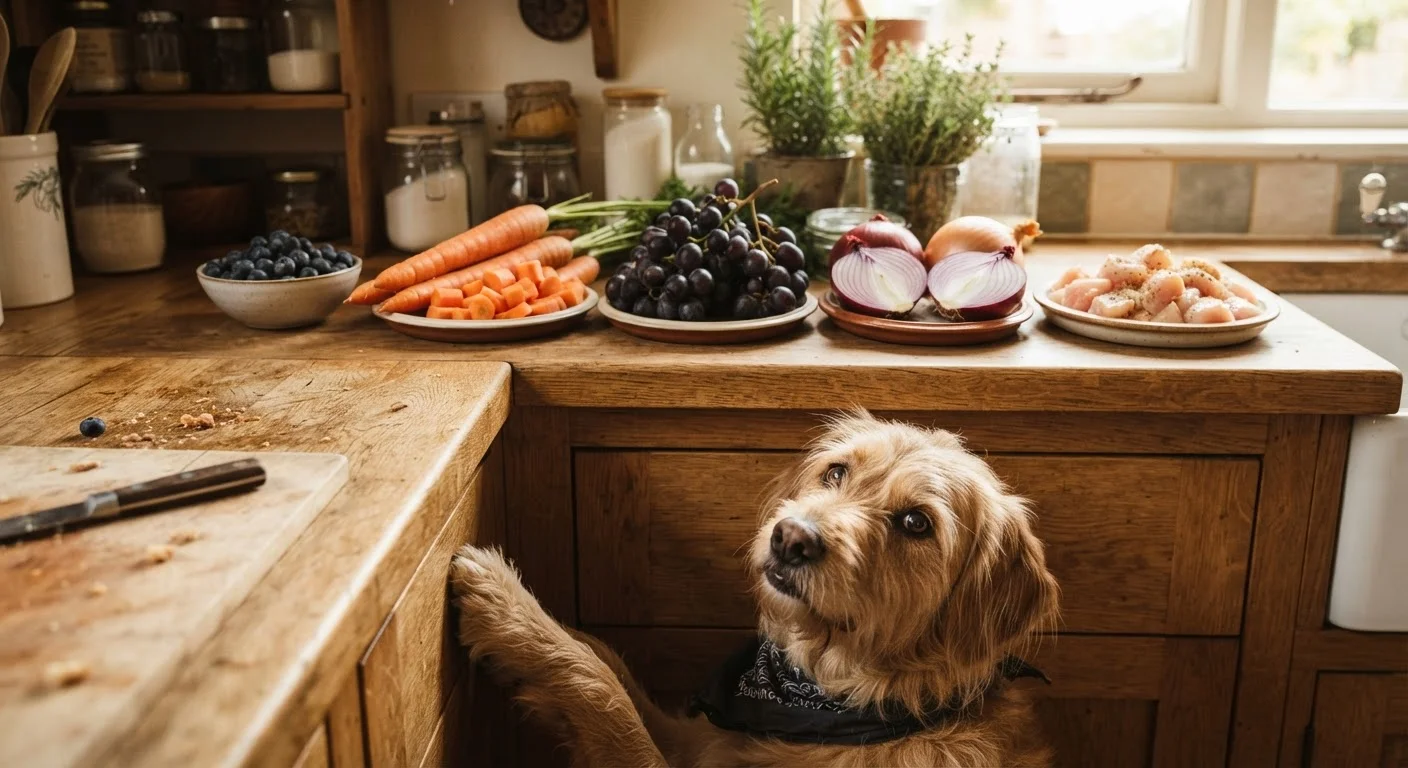
- Cooked chicken or turkey (plain, boneless): A lean protein source that most dogs and cats digest well. Avoid seasoning, onion, or garlic marinades.
- Carrots: Low in calories and a reasonable source of fiber. Dogs often enjoy them raw; cats may show less interest.
- Blueberries: Contain antioxidants and are safe in small amounts for dogs. Moderation is key given sugar content.
- Cooked plain rice or oatmeal: Bland, easily digestible carbohydrates sometimes recommended during gastrointestinal upset. Not a complete meal replacement.
- Cooked eggs: A good protein and amino acid source for both dogs and cats when fully cooked. Raw eggs carry a salmonella risk and may interfere with biotin absorption.
- Plain canned pumpkin (not pie filling): Widely used by veterinarians to help regulate digestive function due to its soluble fiber content.
Theobromine
A naturally occurring stimulant compound found in chocolate and cocoa products. Dogs metabolize theobromine much more slowly than humans, allowing it to accumulate to toxic levels in their system.
Hemolytic Anemia
A condition in which red blood cells are destroyed faster than the body can replace them. In pets, it can be triggered by compounds in onions, garlic, and related plants.
Xylitol
A sugar alcohol used as a low-calorie sweetener in many human food products. Highly toxic to dogs, it causes dangerous drops in blood sugar and potential liver damage even in small quantities.
Persin
A fungicidal toxin found naturally in avocado leaves, skin, pit, and fruit. It can cause vomiting and diarrhea in dogs and cats, and more severe illness in birds and rabbits.
Hypoglycemia
Abnormally low blood sugar. In dogs exposed to xylitol, hypoglycemia can develop rapidly and requires immediate veterinary intervention.
Biotin
A B-vitamin essential for fatty acid metabolism, cell growth, and skin health in pets. Raw egg whites contain avidin, a protein that can block biotin absorption with prolonged feeding.
Foods That Are Dangerous - and Why
The following foods have documented toxicity or serious risk profiles in pets. Some cause dose-dependent harm; others are dangerous even in very small amounts.
~400,000
Estimated annual pet poisoning cases in the US
The ASPCA Animal Poison Control Center handles hundreds of thousands of calls each year, with food-related cases consistently among the top categories.
Top 3
Food toxins reported to US poison hotlines
Chocolate, xylitol-containing products, and grapes/raisins are consistently cited among the most frequently reported food-related pet toxin exposures.
~20×
Greater theobromine sensitivity in dogs vs. humans
Dogs metabolize theobromine roughly 20 times more slowly than humans, meaning amounts harmless to a person can be dangerous for a dog of equivalent weight.
- Grapes and raisins: Associated with acute kidney failure in dogs. The exact toxic compound is not yet fully identified, and no safe threshold has been established - any amount should be avoided.
- Onions, garlic, leeks, and chives: Contain compounds (thiosulfates and N-propyl disulfide) that damage red blood cells in both dogs and cats, potentially causing hemolytic anemia. Cats are especially sensitive.
- Xylitol (artificial sweetener): Found in sugar-free gum, some peanut butters, and baked goods. Causes a rapid release of insulin in dogs, leading to hypoglycemia, and may also cause liver failure.
- Chocolate: Contains theobromine and caffeine, which dogs cannot metabolize effectively. Dark chocolate and baking chocolate carry the highest risk; symptoms range from vomiting to seizures.
- Macadamia nuts: Cause weakness, hyperthermia, and vomiting in dogs. The mechanism is not fully understood, but toxicity is well documented.
- Alcohol: Even small amounts can cause rapid drops in blood sugar, coordination problems, and respiratory depression in pets.
- Avocado: The flesh, skin, pit, and leaves contain persin, which can cause vomiting and diarrhea in dogs and cats and is particularly toxic to birds and rabbits.
- Raw dough with yeast: Expands in the stomach and produces ethanol as yeast ferments - a dual threat of bloat and alcohol poisoning.
If you believe your pet has ingested any of these substances, contact your veterinarian or the ASPCA Animal Poison Control Center immediately. Time is a critical factor in treatment outcomes.
Navigating the Gray Areas
Some foods fall into a middle category - not acutely toxic but not nutritionally ideal either, or safe for one species and risky for another.
- Dairy products: Many adult pets are lactose intolerant to varying degrees. Small amounts of plain yogurt or hard cheese may be tolerated, but milk and cream often cause digestive upset.
- Peanut butter: Plain peanut butter (no xylitol) is frequently used in small quantities as a treat or to administer medication. It is calorie-dense, so overfeeding risks apply.
- Fish: Cooked, boneless fish like salmon or sardines can be a healthy protein and omega-3 source. Raw fish carries parasite and bacterial risks; some species (like raw salmon) can harbor a fatal parasite in dogs.
- Cooked bones: Cooked bones splinter easily and pose a serious choking and intestinal perforation risk. Raw bones are debated - see our evidence-based overview of raw feeding for context.
Species Matters: Cats Are Not Small Dogs
Cats have distinct metabolic pathways that make them sensitive to several substances dogs tolerate better - and vice versa. For example, cats lack a key liver enzyme (glucuronyl transferase) needed to process certain compounds found in onions, garlic, and even some medications. Always verify a food's safety for your specific species before sharing. If your pet has known sensitivities or allergies, consult our guide to feeding pets with food allergies for additional context.
When in doubt about any food, the most conservative choice is to keep it out of reach and consult your vet before sharing.