

Key Takeaways
- The debt avalanche targets the highest-interest debt first, minimizing total interest paid over time.
- The debt snowball targets the smallest balance first, generating quick wins that can sustain motivation.
- Neither method requires extra income - both rely on redirecting existing minimum payments as debts are eliminated.
- The avalanche typically costs less, but the snowball may improve follow-through for some borrowers.
- Both strategies work best alongside a solid budget and a small emergency fund already in place.
- Consulting a nonprofit credit counselor can help you choose the right approach for your specific debts.
Option A
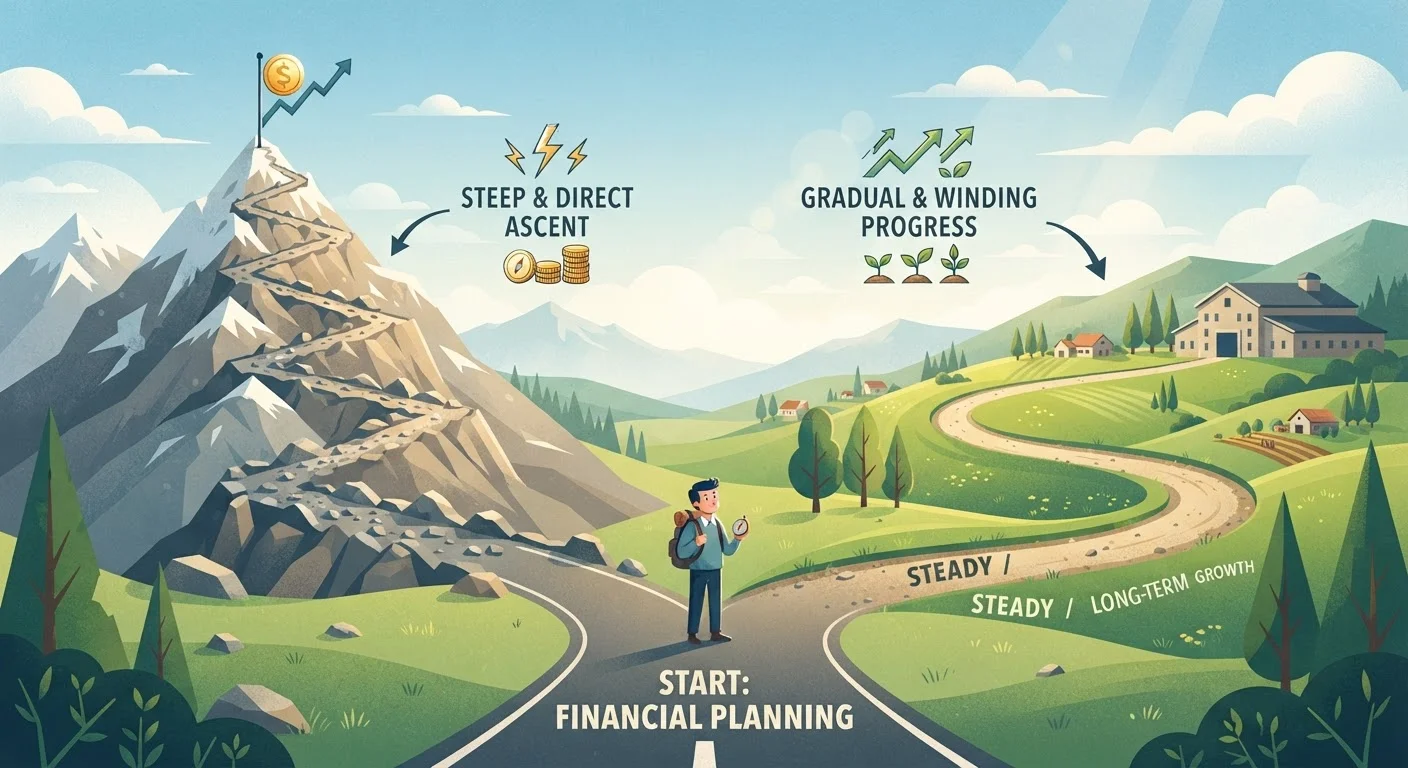
Debt Avalanche
The mathematically optimal, interest-minimizing approach.
Best for: People who are motivated by long-term savings and can stay disciplined without quick early wins.
Option B
Debt Snowball
The psychologically rewarding, momentum-building approach.
Best for: People who need early motivation and respond well to visible progress milestones.
If you want to pay the least possible interest over time
Debt Avalanche
Targeting high-rate debt first reduces the total cost of borrowing, potentially saving hundreds or thousands of dollars depending on your balances.
If you need psychological wins to stay on track
Debt Snowball
Eliminating smaller balances quickly creates momentum and a sense of progress, which research suggests can improve long-term follow-through for many people.
If your debts carry similar interest rates
Debt Snowball
When rates are close, the mathematical difference shrinks and the motivational benefit of the snowball becomes the stronger factor.
If you have one or two very high-rate debts dragging costs up
Debt Avalanche
A single high-APR balance can compound quickly; addressing it first prevents disproportionately large interest charges from accumulating.
How Each Method Works
Both the debt avalanche and the debt snowball follow the same structural process: you make minimum payments on every debt you carry, then direct any remaining available funds toward one target debt. When that target is eliminated, the money you were paying toward it rolls into the next one - hence the imagery of cascading water or a growing snowball.
The critical difference is how you sequence your targets.
- Debt Avalanche: List all debts by interest rate, highest to lowest. Attack the top of that list first, regardless of balance size.
- Debt Snowball: List all debts by outstanding balance, smallest to largest. Attack the smallest balance first, regardless of interest rate.
Before choosing either path, it helps to have a baseline financial foundation in place. Our financial readiness checklist outlines the accounts and safety nets worth securing before aggressively targeting debt.
This article is for general informational purposes only and does not constitute personalized financial advice. Consider speaking with a licensed financial professional about your specific situation.
The Cost Difference: Interest Savings vs. Speed
The avalanche method wins on pure math. Because high-interest debt grows fastest, neutralizing it early prevents the most compounding. Over a multi-year repayment plan, the interest savings from the avalanche can be meaningful - the exact amount depends on your balances, rates, and extra payment amount.
The snowball, by contrast, may result in paying more interest overall. However, there is a behavioral dimension worth considering: research in behavioral economics suggests that visible progress - like eliminating an entire account - can reinforce commitment to a repayment plan. A strategy that a person actually sticks to will outperform a theoretically superior one that gets abandoned.
~$1,000+
Potential interest savings with avalanche
The exact savings vary widely by balance and rate, but NerdWallet and similar financial tools show the gap can reach four figures on typical credit card debt scenarios.
22%+
Average U.S. credit card APR
According to Federal Reserve data, average credit card interest rates have climbed above 20%, making high-rate debt one of the fastest-growing household liabilities.
1 in 3
Americans carry credit card debt month to month
A 2023 Bankrate survey found roughly one-third of U.S. adults carry a revolving credit card balance, underscoring how widespread the repayment challenge is.
If your debts carry nearly identical interest rates, the mathematical gap between the two methods shrinks considerably. In that scenario, the psychological lift of the snowball may represent the better tradeoff.
Side-by-Side Comparison
The table below contrasts the two approaches across the dimensions most borrowers care about.
| Criterion | Debt Avalanche | Debt Snowball |
|---|---|---|
| Payoff sequence | Highest interest rate first | Smallest balance first |
| Total interest paid | Lower (mathematically optimal) | Potentially higher |
| Time to first debt eliminated | Longer if high-rate debt is large | Faster - targets smallest balances |
| Motivational structure | Delayed gratification | Early wins, momentum-driven |
| Best suited for | Disciplined, long-term planners | Those needing visible milestones |
| Complexity | Requires tracking APRs carefully | Simple balance-based ordering |
Note that both strategies assume you have some money left over after minimum payments. If cash flow is very tight, reviewing your budget to find even a modest extra monthly amount can make either method more effective.
Which One Should You Choose?
There is no universally correct answer. Financial education resources generally recommend the avalanche when the goal is minimizing total cost, and the snowball when motivation is the primary obstacle. Some people blend both - starting with the snowball to build confidence, then switching to the avalanche once they have established the repayment habit.
A few questions worth asking yourself:
- Do you have a high-APR debt (such as a credit card above 20%) that is growing faster than you can manage?
- How have past attempts at paying down debt gone - did you lose momentum?
- Are your balances close together, or does one dwarf the others?
If your debts feel unmanageable or numerous, consolidation is another option worth examining. Our overview of debt consolidation explains when combining balances into a single loan may reduce your costs and simplify repayment. You might also find value in balancing debt payoff with saving simultaneously rather than treating them as competing goals.
When to Seek Professional Guidance
If your total debt load is large, your interest rates are very high, or you are struggling to cover minimum payments, a nonprofit credit counseling agency can help. The National Foundation for Credit Counseling (NFCC) offers free or low-cost guidance and can help you evaluate options including debt management plans. Speaking with a counselor does not obligate you to any specific product or service.
For a broader starting point, our starter guide to getting out of debt walks through the full process from listing what you owe to picking a repayment path.