

Key Takeaways
- The '8x8' rule (eight 8-oz glasses daily) lacks strong scientific support and doesn't fit everyone.
- Hydration needs vary based on body weight, physical activity, climate, and diet composition.
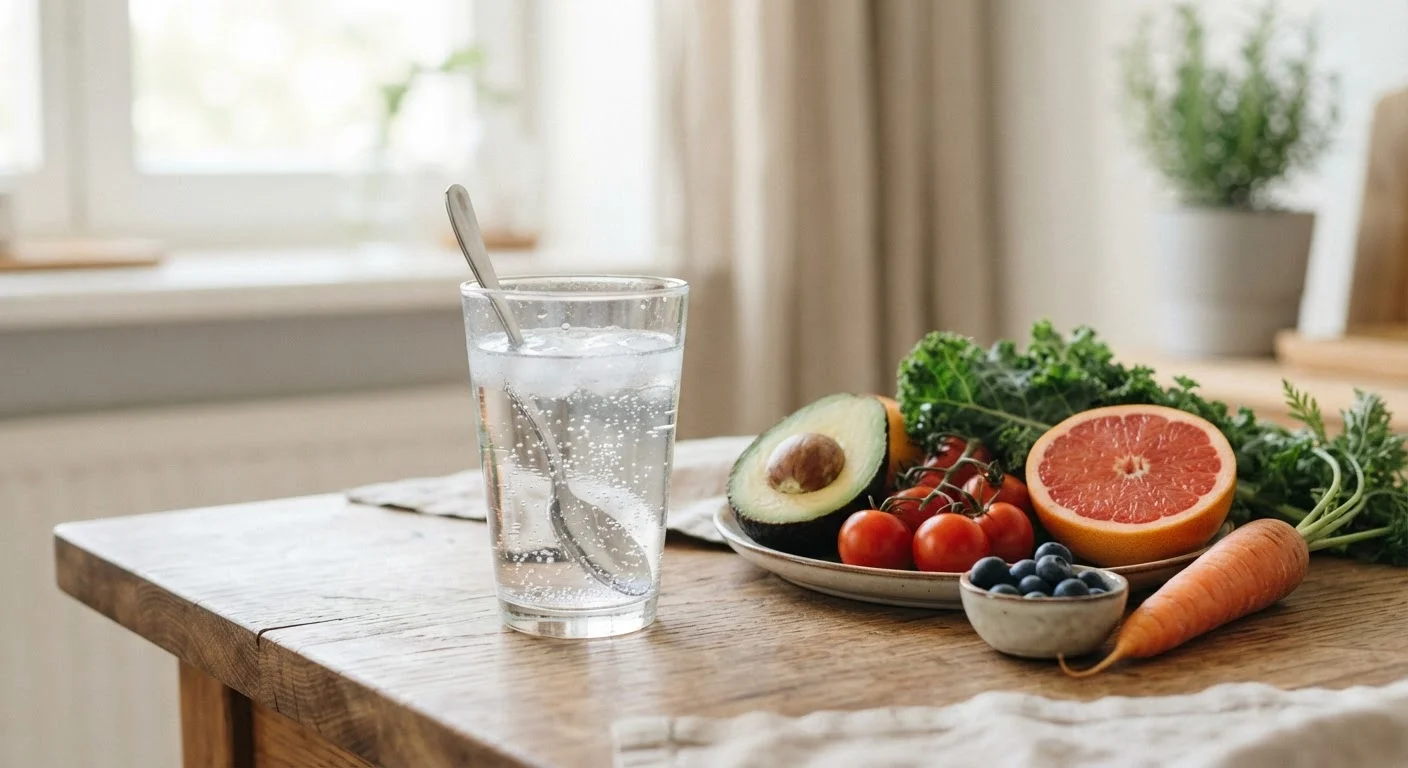
- Food contributes roughly 20-30% of total daily fluid intake for most adults.
- Thirst is a reliable hydration signal for most healthy adults, but not for all populations.
- Urine color remains one of the simplest, most practical indicators of hydration status.
Where the Eight-Glasses Rule Came From
The idea that every adult needs exactly eight 8-ounce glasses of water per day - often called the "8x8" rule - is one of the most persistent myths in popular nutrition. Its origins are murky, but researchers tracing the claim often point to a 1945 U.S. Food and Nutrition Board recommendation that adults consume roughly 2.5 liters of water daily. What that guidance also stated - and what was almost universally dropped in retelling - is that most of that water is already contained in food.
A widely cited 2002 review published in The American Journal of Physiology by Dr. Heinz Valtin examined the scientific basis for the 8x8 rule and found no evidence supporting it as a universal requirement for healthy adults. The simplicity of the number made it memorable and repeatable, but simplicity and accuracy are not the same thing.
Myth
Everyone needs eight glasses of water a day to stay healthy.
Fact
There is no universal eight-glass requirement. Fluid needs vary considerably by body size, activity level, climate, and diet.
The 8x8 rule has never been validated by controlled clinical research as a requirement for all healthy adults. Individual needs differ based on multiple physiological and environmental variables, and rigid one-size-fits-all targets can lead some people to drink more than necessary while giving others a false sense of security if their actual needs are higher.
Myth
You can only meet your hydration needs by drinking plain water.
Fact
All non-alcoholic beverages contribute to fluid balance, and food accounts for roughly 20-30% of daily fluid intake.
Coffee, tea, milk, and juice all count toward total fluid intake. Even moderate caffeine consumption has not been shown to cause net dehydration in habitual consumers. Water-rich foods - soups, fruits, and vegetables - also contribute meaningfully. Focusing exclusively on plain water ignores the full picture of how the body manages fluid balance.
Myth
If you feel thirsty, you're already dehydrated.
Fact
Thirst typically signals mild fluid deficit - not clinically significant dehydration - in healthy adults.
Clinical dehydration involves a loss of roughly 2% or more of body weight as fluid, producing measurable symptoms. Mild thirst occurs at much smaller deficits and represents normal regulatory signaling. For most healthy adults, responding to thirst promptly is adequate. The "you're already dehydrated by the time you're thirsty" claim overstates the lag and is not supported by current physiology research.
Myth
Drinking more water than you need is always harmless.
Fact
Overhydration can dilute blood sodium levels and, in severe cases, cause hyponatremia - a potentially serious condition.
Hyponatremia (low blood sodium due to excess fluid) is most commonly seen in endurance athletes who drink large amounts of plain water over many hours without replacing electrolytes. Symptoms range from nausea and headache to, in severe cases, confusion and seizures. While the average person is unlikely to reach this threshold, it underscores that more water is not always better - balance matters. For information on how hydration concepts differ in skin care contexts, see hydration vs. moisture in skincare.
What Actually Determines How Much You Need
Fluid requirements are genuinely individual. Several well-established factors shift them significantly:
- Body size: Larger bodies contain more water and typically require more fluid to maintain equilibrium. General clinical guidance often references approximately 30-35 mL per kilogram of body weight per day as a starting framework for healthy adults, though this varies.
- Physical activity: Exercise increases fluid loss through sweat and respiration. Duration, intensity, and environmental conditions all affect how much fluid is lost.
- Climate and altitude: Heat, humidity, and high altitude all increase fluid losses. Air conditioning and heated indoor environments can also increase insensible losses through respiration.
- Diet: Fruits and vegetables have high water content - cucumbers, watermelon, and leafy greens can be 90-95% water by weight. Diets high in sodium or protein may increase fluid requirements modestly.
- Health status: Fever, vomiting, diarrhea, and certain medications can substantially alter fluid needs. Kidney disease, heart failure, and other conditions may require specific fluid restrictions - individuals with these conditions should consult a healthcare provider.
20-30%
Daily fluid intake from food sources
The National Academies estimates that food contributes approximately 20-30% of total daily water intake for most adults eating a typical diet.
3.7 L / 2.7 L
Recommended total daily water intake (men/women)
The National Academies of Sciences, Engineering, and Medicine sets adequate intake at 3.7 liters for adult men and 2.7 liters for adult women from all sources combined.
The National Academies of Sciences, Engineering, and Medicine currently suggests an adequate total daily water intake of about 3.7 liters for adult men and 2.7 liters for adult women - from all sources combined, including food and beverages other than plain water.
Reading Your Body's Signals
For most healthy adults, thirst is a physiologically sound indicator of hydration need. The body's osmoreceptors - cells in the hypothalamus that detect changes in blood concentration - trigger thirst well before dehydration becomes clinically significant. Waiting until you're thirsty is not inherently dangerous under normal conditions.
However, thirst reliability diminishes in specific populations. Older adults experience a blunted thirst response, meaning they may become dehydrated before feeling thirsty. Athletes engaged in prolonged exercise may also need to drink on a schedule rather than relying solely on thirst cues.
Urine color offers a practical, low-tech check: pale yellow generally indicates adequate hydration, while dark yellow or amber suggests the need for more fluids. Clear urine can indicate overhydration, which, while uncommon, is a real risk - particularly for endurance athletes who over-drink plain water, which can dilute blood sodium levels and lead to a dangerous condition called hyponatremia.
Overhydration Is a Real Risk for Endurance Athletes
Athletes completing events lasting several hours - marathons, triathlons, long cycling rides - should avoid drinking plain water far in excess of thirst, particularly without electrolyte replacement. Hyponatremia from over-drinking has caused serious illness and, in rare cases, death in endurance sports. If you train or compete at high intensity for extended periods, consider working with a sports dietitian to develop an individualized fluid and electrolyte strategy.
This article is for general informational purposes only and does not constitute medical or nutritional advice. Individuals with specific health conditions, including kidney disease, heart conditions, or those who are pregnant, should consult a qualified healthcare professional for personalized guidance on fluid intake.